Dissecting Plagiarism Claims: Irrelevant to "Sabrina" Film Details
In the digital age, information travels at lightning speed, but often without the necessary context. A common frustration for users searching for specific details is encountering a deluge of irrelevant results, often due to shared names or broad search terms. This phenomenon is particularly evident when searching for "
sabrina carpenter plagiat." While internet users might be looking for information regarding potential plagiarism claims against the acclaimed singer Sabrina Carpenter, search engines frequently present an unexpected and entirely unrelated body of content: details about the classic "Sabrina" films. This article aims to untangle this digital confusion, clarify why movie-related information is irrelevant to such claims, and guide readers on how to find pertinent information.
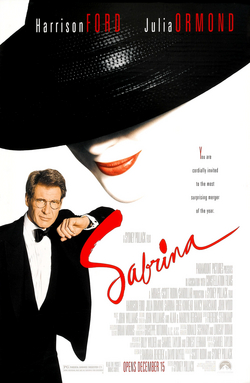
The core issue stems from a simple homonym: the name "Sabrina." Before Sabrina Carpenter rose to fame, two iconic films bore the title "Sabrina" – the 1954 original starring Audrey Hepburn and Humphrey Bogart, and the 1995 remake featuring Julia Ormond and Harrison Ford. Both are well-established cultural touchstones, and consequently, their details are extensively indexed across various movie databases, streaming platforms, and entertainment news sites. When someone types "
sabrina carpenter plagiat" into a search engine, the algorithms, in an attempt to provide *any* information related to "Sabrina," often prioritize the rich, detailed metadata associated with these long-standing films, completely missing the nuanced intent of the query.
The Tangled Web of Search Results: Sabrina Carpenter vs. "Sabrina" the Movie
Imagine typing a specific question into Google, only to be met with answers to a completely different query. This is precisely what happens to many individuals investigating "
sabrina carpenter plagiat." Instead of finding discussions about musical originality, lyrical similarities, or production controversies pertaining to the pop artist, they are presented with a wealth of cinematic data.
What Search Engines Often Provide:
- Cast and Crew Lists: You'll likely encounter detailed lists of actors, directors, producers, screenwriters, and cinematographers for both the 1954 and 1995 versions of "Sabrina." These entries typically come from reputable sources like The Movie Database (TMDB) or IMDb, providing comprehensive filmographies and biographical data for figures like Audrey Hepburn, Humphrey Bogart, William Holden, Julia Ormond, Harrison Ford, and Greg Kinnear. While fascinating for film buffs, these details offer zero insight into a singer's musical output.
- Streaming Availability: Search results often include where to watch the "Sabrina" films online. Platforms like JustWatch provide an aggregate view of which services (Netflix, Hulu, Prime Video, etc.) offer the movie for streaming, rent, or purchase. This information, while practical for movie enthusiasts, serves no purpose in evaluating artistic integrity in music.
- Movie Reviews and Synopses: Decades of critical analysis, plot summaries, and audience reactions for both films are readily available. These discussions delve into themes of social class, love, transformation, and character development within the narrative of the *movies*. They assess performances, directorial choices, and screenplay adaptation. Again, these critical analyses of film narratives are entirely separate from any potential allegations related to music composition or lyrics.
- Production Details: Information about filming locations, release dates, box office performance, and awards (or nominations) for the "Sabrina" films are also common. These historical and logistical facts about movie production have no bearing on allegations against a musical artist.
It is crucial to understand that every piece of information mentioned above – from cast details to streaming options – is utterly irrelevant to the search intent of "
sabrina carpenter plagiat." The fact that this content frequently dominates search results underscores a significant digital disconnect. As stated in the provided reference context, sources like TMDB, JustWatch, and Decider, when queried about "sabrina carpenter plagiat," yield *no relevant content* because their databases are dedicated to films, not musical artists or their controversies. If you're encountering this kind of movie-specific information, it's a clear signal that your search is heading down the wrong path when trying to investigate plagiarism claims against the singer.
Deconstructing Plagiarism Claims: What *Are* We Talking About?
To properly address the topic of "
sabrina carpenter plagiat," it's essential to understand what musical plagiarism entails and why movie details simply cannot provide answers. Plagiarism in music typically refers to the unauthorized and uncredited use of another artist's creative work. This can manifest in several ways:
- Melodic Plagiarism: Copying a distinct melody, hook, or musical phrase without attribution or permission.
- Lyrical Plagiarism: Reusing significant portions of lyrics from another song.
- Sampling Without Clearance: Using a sound recording (a "sample") from another track without obtaining the necessary licenses from both the copyright holder of the sound recording and the underlying musical composition.
- Conceptual Plagiarism: While harder to prove legally, this involves copying the unique aesthetic, visual style, or overarching concept of another artist's work without original contribution.
When allegations of plagiarism arise against a musician, the discussion focuses on specific songs, musical arrangements, lyrical content, or music video concepts. It involves comparing compositions, analyzing sonic similarities, and tracing influences. Movie casting choices, a film's director, or its Rotten Tomatoes score are entirely outside the scope of such an investigation. The legal and artistic criteria used to assess plagiarism claims in music bear no resemblance to the metrics used to review films. Therefore, any search returning film-related details is effectively a digital wild goose chase. For a deeper dive into why movie reviews are unhelpful in this context, consider reading
Sabrina Carpenter Plagiarism: Why Movie Reviews Won't Help.
Why Context Matters: Navigating Misinformation and Irrelevant Data
The digital landscape, while a treasure trove of information, can also be a labyrinth of misinformation and irrelevant data. The prevalence of movie results for "
sabrina carpenter plagiat" is a prime example of how search engine algorithms, designed for broad matching, can sometimes misinterpret user intent. Understanding *why* this happens and how to refine your search is a crucial skill in today's information-dense world.
Tips for Effective Online Searching:
- Be Specific: Instead of just "sabrina carpenter plagiat," try "Sabrina Carpenter music plagiarism," "Sabrina Carpenter song controversy," or "allegations against Sabrina Carpenter music." Adding keywords like "singer," "music," "song," or specific track titles can significantly narrow down results.
- Verify Sources: Always scrutinize the source of information. Is it a reputable music journalism site (e.g., Billboard, Rolling Stone, Pitchfork), a legal news outlet, an official artist statement, or merely a fan forum or an entertainment site primarily focused on film? Movie databases are excellent for film information but are irrelevant for music plagiarism claims.
- Look for Direct Evidence: If claims exist, they will typically involve direct comparisons of musical elements, expert analysis, or official statements. General movie reviews or casting announcements will never serve as evidence.
- Understand Algorithm Limitations: Recognize that search engines don't always grasp nuanced intent. They match keywords. When "Sabrina" is a keyword, established entities like the "Sabrina" films will inevitably surface due to their extensive online footprint.
The lesson here is the importance of critical thinking and precision in your online queries. When you encounter pages describing the plot of a film, discussing its director, or listing its stars, you are categorically *not* looking at information relevant to any potential plagiarism claims against the pop singer Sabrina Carpenter. This distinction is paramount for anyone seeking accurate and pertinent facts. It's clear that if you're
Searching Sabrina Carpenter Plagiat? Not Found in Movie Contexts.
Conclusion
The journey to find accurate information regarding "
sabrina carpenter plagiat" often begins with a detour through classic Hollywood. While the films "Sabrina" (1954 and 1995) are beloved cinematic pieces with rich online presences, their details – from cast and crew to streaming availability and critical reviews – are entirely disconnected from any discussions concerning musical originality or potential copyright issues involving the singer Sabrina Carpenter. Navigating the digital landscape requires precision, an understanding of how search algorithms work, and a critical eye for context. By refining search terms, scrutinizing sources, and recognizing the fundamental differences between film criticism and musicology, users can bypass irrelevant movie data and focus their efforts on finding genuinely pertinent information related to the talented musical artist.